From Scrap to Steel How Custom Hoppers Optimize Material Flow
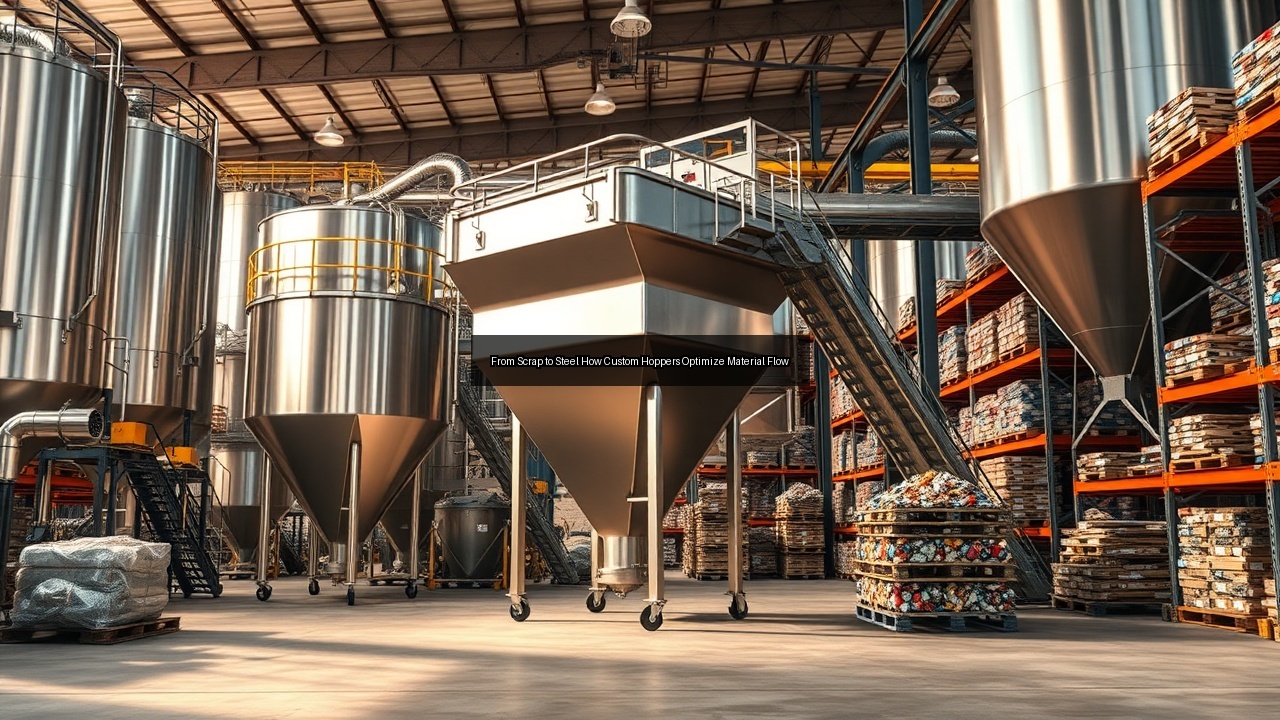
The Role of Custom Process Hoppers in Material Flow Optimization
Understanding Custom Process Hoppers
Custom process hoppers play a crucial role in optimizing material flow within manufacturing and warehousing environments. These specialized containers are designed to handle bulk materials efficiently, ensuring a seamless transition from one stage of production to the next. Customization allows manufacturers to tailor hoppers to specific dimensions, geometries, and capacities, resulting in enhanced performance and reduced waste. Whether dealing with recyclables, concrete, or scrap metal, these hoppers provide the necessary structure to manage materials effectively. Their design can include features such as conical bottoms, which facilitate gravity-fed dispensing, and adjustable gates that control the flow rate, making them versatile tools in any facility.
Benefits of Custom Hoppers in Manufacturing
Custom hoppers offer numerous benefits that significantly enhance manufacturing processes. First, they improve material handling efficiency. By optimizing the design to meet unique operational needs, businesses reduce bottlenecks and downtime associated with material transport. Second, custom hoppers can accommodate various materials, from stainless steel to sheet metal, ensuring compatibility with diverse production lines. This versatility enhances flexibility in manufacturing operations, allowing companies to adapt to changing demands. Additionally, integrating custom hoppers with conveyor systems and pallet racks streamlines workflows, enabling faster processing and improved productivity. Ultimately, the right hopper design leads to a more organized and efficient workspace, reducing labor costs and increasing throughput.
The Impact on Productivity
Increased productivity stands out as one of the most significant impacts of implementing custom process hoppers. When materials move smoothly and efficiently through the manufacturing cycle, companies can achieve higher output rates. Custom hoppers minimize handling errors and material spillage, which often lead to costly delays. Furthermore, the right hopper design allows for precise control over material flow, ensuring that operators can maintain optimal production rates without interruption. As a result, businesses can meet customer demands more effectively, enhancing their competitive edge. Employers also benefit from reduced strain on workers, as hoppers can be equipped with casters or other mobility features, making them easier to transport and position within the facility.
Design Considerations for Efficient Hoppers
Dimensions and Geometry of Hoppers
Designing an efficient custom hopper requires careful consideration of dimensions and geometry. The size of the hopper must align with the volume of material it will handle, avoiding both overcapacity and underutilization. A well-designed hopper features a tapered or conical shape that allows for gravity-fed flow, minimizing the risk of clogs. Additionally, the geometry should facilitate easy access for maintenance and cleaning, ensuring that operators can keep the hopper in optimal condition. The inclusion of specific dimensions tailored to the material type—such as lighter recyclables versus heavier concrete—ensures that the hopper can perform effectively under various conditions. Ultimately, a thoughtful design maximizes efficiency and productivity in material handling.
Materials Used: From Stainless Steel to Sheet Metal
Choosing the right materials for custom hoppers is critical to their performance and longevity. Stainless steel remains a popular choice due to its corrosion resistance and strength, making it ideal for handling harsh materials such as concrete or scrap metal. Sheet metal also offers a cost-effective and lightweight alternative, especially when handling non-abrasive bulk materials. Manufacturers must consider the specific properties of the materials involved to ensure compatibility with the hopper's design. For example, if the hopper will be used for recyclables that may contain moisture, selecting materials that resist rust and degradation is essential. Ultimately, the choice of material impacts the durability of the hopper and its ability to withstand the rigors of daily operations.
Integration with Conveyor Systems and Pallet Racks
Effective integration of custom hoppers with conveyor systems and pallet racks enhances overall material flow within a facility. A well-designed hopper can feed directly into a conveyor, allowing for automated transfer of materials to subsequent processing stations. This integration reduces manual handling, streamlining operations and improving safety. Additionally, incorporating pallet racks into the design ensures that materials can be stored efficiently when not in use, further optimizing space within the facility. Proper alignment between hoppers, conveyors, and pallet racks minimizes the risk of spillage or material loss, contributing to a more organized and efficient workflow. Manufacturers should prioritize this integration to maximize the benefits of custom hoppers in their operations.
Applications of Custom Hoppers in Recycling and Warehousing
Handling Recyclables: A Case for Custom Hoppers
Custom hoppers excel in handling recyclables, making them a vital component in recycling facilities. These hoppers can be adapted to manage various recyclable materials, such as plastics, metals, and paper, ensuring that each type is processed efficiently. Custom designs allow for specialized features, such as adjustable gates for controlling flow rates and minimizing contamination during sorting. The ability to precisely manage material flow helps maintain the integrity of the recycling process and maximizes recovery rates. Furthermore, integrating these hoppers with conveyor systems enables seamless transportation of materials to shredders or balers, enhancing overall operational efficiency. Custom hoppers not only improve productivity but also support sustainable practices in recycling operations.
Utilizing Hoppers in Concrete and Scrap Metal Processing
Custom hoppers play a significant role in the concrete and scrap metal processing industries. In concrete manufacturing, hoppers designed for bulk materials can efficiently dispense aggregates and cement, ensuring accurate mixing ratios. The design must accommodate the weight and consistency of these materials, often requiring robust materials such as stainless steel to withstand wear and tear. In scrap metal processing, hoppers allow for the collection and transport of various metal types, streamlining operations from collection to shredding or sorting. Their ability to handle heavy materials while maintaining efficient flow makes custom hoppers indispensable in these industries, supporting increased output and operational efficiency.
Ensuring Safety with Guardrails and Gates
Safety considerations are paramount when designing custom hoppers, especially in environments dealing with bulk materials. Incorporating guardrails and gates into the hopper design helps prevent accidents and ensures safe operation. Guardrails provide a barrier, protecting employees from potential hazards associated with handling heavy loads or working near moving machinery. Gates allow for precise control over the flow of materials, reducing the risk of spillage and keeping work areas clean and organized. By prioritizing safety features, manufacturers can create a more secure working environment, minimizing the likelihood of accidents and ensuring compliance with industry regulations. Custom hoppers equipped with these features not only enhance productivity but also foster a culture of safety within the workplace.
Choosing the Right Company for Custom Hopper Fabrication
Factors to Consider When Selecting a Manufacturer
Choosing the right company for custom hopper fabrication requires careful evaluation of several factors. Start by assessing the manufacturer's experience and expertise in designing hoppers for specific applications. A company with a proven track record in fabricating custom hoppers will understand the nuances of material handling and be able to provide tailored solutions. Additionally, consider the range of materials they work with, as well as their ability to incorporate advanced technology into their designs. Customer support and service are also essential; a manufacturer that offers ongoing assistance can help address any issues that arise after installation, ensuring long-term satisfaction with the product.
The Importance of Customization in Bulk Material Handling
Customization stands at the forefront of effective bulk material handling. Off-the-shelf solutions often fail to meet the specific needs of individual operations, leading to inefficiencies and increased costs. Custom hoppers allow businesses to adapt to their unique requirements, enhancing workflow and productivity. The ability to specify dimensions, materials, and design features ensures that the hopper functions optimally in conjunction with other systems, such as conveyor belts and pallet racks. This level of customization not only provides immediate operational benefits but also contributes to long-term success by allowing businesses to scale and adapt as their needs evolve.
Success Stories: Companies Optimizing Material Flow
Numerous companies have successfully optimized their material flow through the implementation of custom process hoppers. For instance, a recycling facility improved its sorting efficiency by integrating custom hoppers with adjustable gates, which allowed for better control over material flow. In another case, a concrete manufacturer increased its output by 30% after installing hoppers designed for specific aggregates, enabling precise mixing. These success stories illustrate the tangible benefits of investing in custom hoppers, showcasing how tailored solutions can lead to significant improvements in productivity and operational efficiency. Companies that prioritize custom designs gain a competitive edge in their respective industries, ensuring they meet customer demands while minimizing waste and maximizing profitability.
See Also
- Choosing the Right Material for Your Custom Process Hopper
- Adapting Custom Hoppers for Different Materials and Applications
- The Essential Role of Custom Process Hoppers in Modern Warehousing Solutions
- From Design to Delivery: The Journey of Custom Process Hoppers
- The Role of Custom Process Hoppers in Streamlining Pallet Rack Systems