The Cost of Outdoor Dehumidifiers Is It Worth It
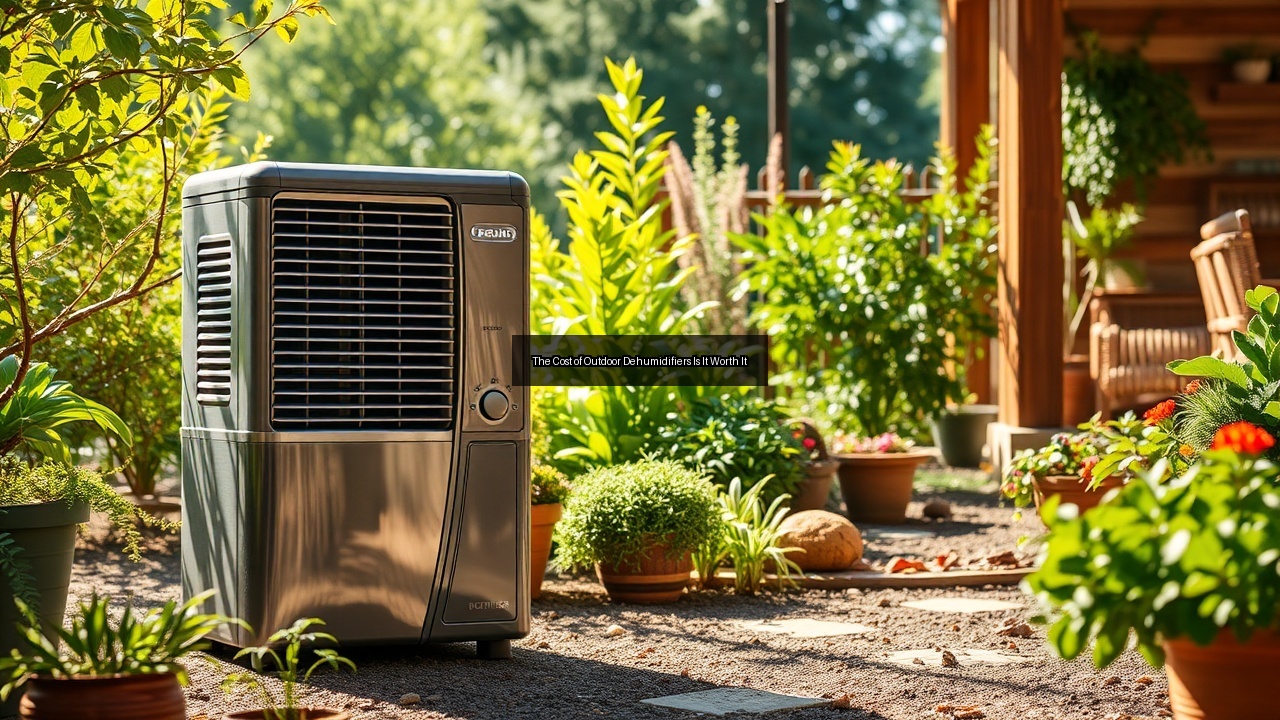
Understanding Outdoor Dehumidifiers and Their Purpose
What are Outdoor Dehumidifiers?
Outdoor dehumidifiers serve a critical role in managing humidity levels in outdoor spaces. These units extract excess moisture from the air, which is particularly beneficial in areas with high humidity. Unlike indoor dehumidifiers that work to maintain optimal conditions inside homes or buildings, outdoor dehumidifiers focus on open spaces such as patios, garages, or even construction sites. They can handle larger volumes of air and often feature robust designs to withstand outdoor conditions. By reducing moisture, these dehumidifiers help prevent mold growth, wood rot, and other moisture-related problems that can compromise structural integrity and air quality.
How Do Outdoor Dehumidifiers Work?
Outdoor dehumidifiers operate using a straightforward yet effective process. They typically employ a compressor that pulls in humid air, cools it, and condenses moisture into water droplets. This process, known as dehumidification, relies on coils that cool the air while a fan circulates it through the unit. The collected water then drains into a tank or directly outside via a hose. Some models utilize a duct system to distribute dry air across larger areas, optimizing moisture removal. Understanding how these systems function helps homeowners select the best outdoor dehumidifier for their specific needs.
Key Benefits of Using an Outdoor Dehumidifier
Investing in an outdoor dehumidifier offers numerous advantages. First, it significantly reduces humidity levels, creating a more comfortable environment for outdoor activities. Excess moisture can lead to mold and mildew growth, which harms both health and property. Keeping areas dry minimizes these risks and contributes to better air quality. Additionally, outdoor dehumidifiers protect outdoor furniture, equipment, and structures from water damage. They also enhance the performance of HVAC systems by reducing the workload on indoor units, leading to improved energy efficiency. Overall, the benefits extend beyond mere comfort, influencing health, safety, and maintenance costs.
Evaluating the Cost of Outdoor Dehumidifiers
Initial Purchase Price: What to Expect
The initial purchase price of outdoor dehumidifiers varies widely depending on several factors including capacity, brand, and features. Basic models may start around $150, while more advanced units with larger capacities can exceed $1,000. dehumidified When considering the cost, evaluate the dehumidifier's capacity measured in gallons per day (GPD). Larger capacity units are ideal for significant moisture removal but come at a higher price point. Comparing features such as energy efficiency ratings, tank size, and additional functionalities will also impact the cost. Investing upfront in a quality outdoor dehumidifier can lead to long-term savings through reduced maintenance and energy consumption.
Operational Costs: Energy Consumption and Electricity Usage
Operational costs represent a major factor in the total cost of ownership for outdoor dehumidifiers. Energy consumption varies based on the unit's size and efficiency. Models with Energy Star ratings typically consume less electricity, making them more cost-effective in the long run. On average, outdoor dehumidifiers can add $20 to $50 annually to electricity bills, depending on usage and humidity levels. For those using a large-capacity dehumidifier or operating it continuously, electricity costs can be significantly higher. Assessing the energy efficiency of a unit before purchase helps estimate ongoing costs and can lead to substantial savings over time.
Maintenance Costs and Warranty Considerations
Maintenance is essential for the longevity and efficiency of outdoor dehumidifiers. Regular cleaning of filters and coils ensures optimal performance and prevents issues such as decreased airflow and reduced dehumidification capacity. Basic maintenance might only cost a few dollars for cleaning supplies or replacement filters, but neglecting routine care can lead to higher repair costs. Many manufacturers offer warranties ranging from one to five years, providing peace of mind and potential savings on repairs. When evaluating an outdoor dehumidifier, consider the warranty's terms and conditions, as well as the availability of replacement parts and service options.
Is It Worth Investing in an Outdoor Dehumidifier?
Factors to Consider: Room Size and Humidity Levels
When deciding whether to invest in an outdoor dehumidifier, assess both room size and current humidity levels. Larger areas with high humidity will benefit more from a dedicated outdoor dehumidifier than smaller spaces. For instance, a patio or pool area may require a unit with a higher GPD capacity to effectively manage moisture. Homeowners should dehumidified measure humidity levels, ideally aiming for a range between 30% and 50%. If humidity exceeds these levels, an outdoor dehumidifier can dramatically improve comfort and air quality. Considering these factors ensures that you select a unit that meets specific needs without overspending.
Long-term Benefits: Protecting Your Home and Health
Investing in an outdoor dehumidifier yields significant long-term benefits. Reducing humidity protects your home from mold, mildew, and structural damage, ultimately saving on costly repairs. Excess moisture can lead to health issues such as respiratory problems and allergies, making dehumidification crucial for maintaining a healthy environment. Furthermore, an outdoor dehumidifier prolongs the lifespan of outdoor furniture and equipment by keeping them dry and free from damage. The health benefits alone can justify the investment, leading to improved quality of life for you and your family.
Comparing Outdoor Dehumidifiers to Indoor Options
Understanding the differences between outdoor and indoor dehumidifiers helps in making an informed decision. While indoor models focus on enclosed spaces, outdoor dehumidifiers target open environments, making them more suitable for patios, garages, and construction sites. Outdoor units typically feature higher capacities to handle larger volumes of air and moisture. Furthermore, outdoor dehumidifiers often have enhanced durability to withstand various weather conditions. Homeowners may find that combining both types yields the best results, allowing for comprehensive humidity management throughout the property. Weighing the pros and cons of each type is essential for optimal moisture control.
Choosing the Right Outdoor Dehumidifier for Your Needs
Features to Look For: Energy Star Ratings and Tank Capacity
Choosing the right outdoor dehumidifier involves evaluating critical features that impact performance and efficiency. Look for Energy Star ratings, which indicate better energy efficiency and lower operating costs. Tank capacity matters, as larger tanks reduce the frequency of manual drainage. Some models offer continuous drainage options, allowing for uninterrupted operation, especially in areas with high humidity. Additional features such as built-in hygrometers, automatic shut-off, and adjustable humidity settings enhance usability and effectiveness. Understanding these features ensures that you select a unit tailored to your specific dehumidification needs.
Best Outdoor Dehumidifiers on the Market
The market offers a range of outstanding outdoor dehumidifiers suited for various needs. Brands like Frigidaire and hOmeLabs provide reliable options with excellent performance and user-friendly features. The hOmeLabs 70 Pint Dehumidifier is popular for its capacity and energy efficiency, while the Dri-Eaz LGR 7000XLi stands out for industrial applications with its robust design and high-performance capabilities. Researching customer reviews and expert ratings can help narrow down choices. Selecting a reputable brand with solid warranties and customer support ensures a satisfactory purchase experience.
When to Consider Industrial Outdoor Dehumidifiers
Industrial outdoor dehumidifiers become necessary in large-scale operations or environments with significant moisture challenges. Construction sites, warehouses, and agricultural settings often require high-capacity units capable of removing large volumes of moisture quickly. These industrial models typically feature advanced technology, such as high-efficiency compressors and specialized drainage systems, to handle demanding conditions. Businesses should evaluate specific moisture levels and operational requirements before investing in an industrial unit. Understanding the scale of moisture problems ensures that you choose a dehumidification system capable of delivering effective results.