How Vacon Drives Enhance Performance in Electric Motors
Understanding Vacon Drives and Their Role in Electric Motors
What are Vacon Drives?
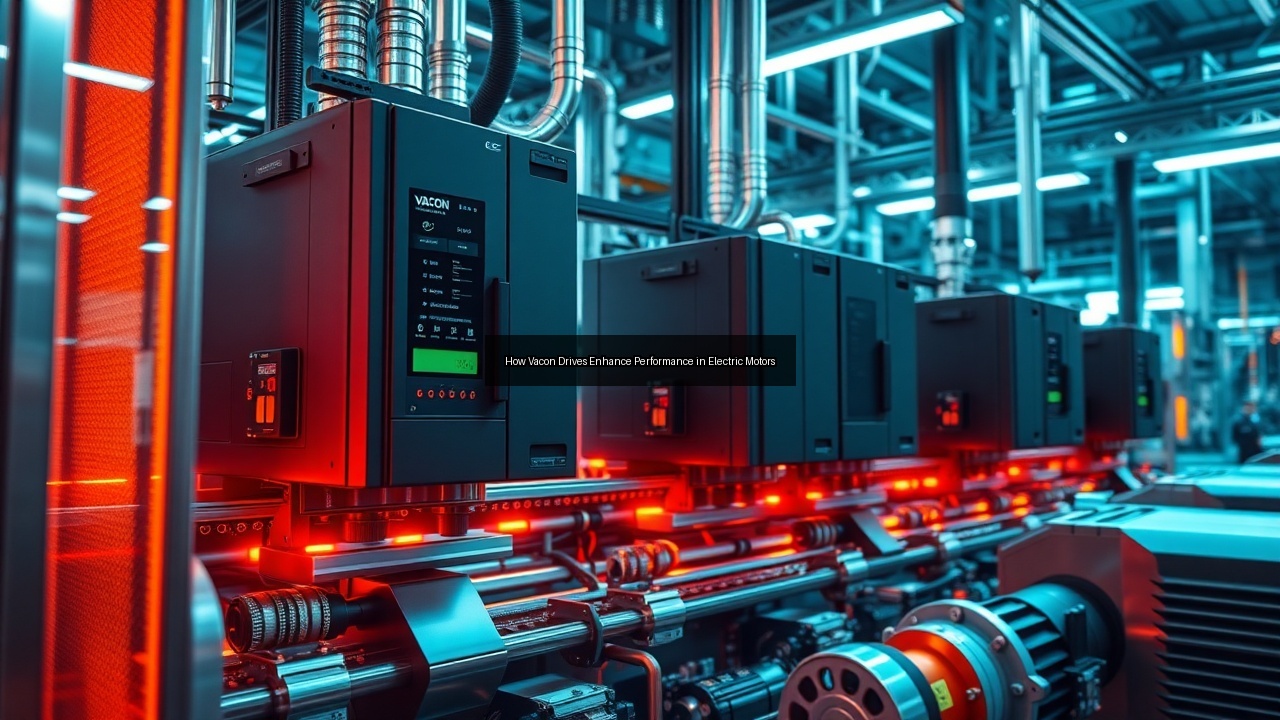
Vacon drives deliver precise control over electric motors by adjusting voltage and frequency in real time. Engineers rely on these units to match motor output exactly to process demands instead of running at full speed constantly. Vacon ac drives handle a wide power range and integrate easily into existing motor setups across factories and facilities. Operators gain immediate benefits in reduced energy use and smoother startups that protect motor components from stress. The brand focuses on compact designs that fit tight control panels while maintaining robust performance under continuous duty. Maintenance teams appreciate the straightforward parameter access that speeds up troubleshooting and commissioning. Vacon drives work with both induction and permanent magnet motors, giving users flexibility when upgrading legacy equipment. Facilities report measurable drops in peak current draw after installation, which extends equipment life and lowers utility costs. Overall, these drives turn standard motors into responsive assets that respond instantly to changing loads.
The Technology Behind Vacon AC Drives
Vacon ac drives employ advanced pulse width modulation to generate clean output waveforms that minimize motor heating and noise. Built-in vector control algorithms calculate rotor position without extra sensors, delivering tight torque regulation even at low speeds. The drives monitor motor temperature and current continuously, triggering protective actions before damage occurs. Users configure ramp times, skip frequencies, and PID loops directly through the keypad or remote software. Vacon engineers optimized the power stage with silicon carbide options in newer models to cut switching losses and improve efficiency. Communication protocols such as Modbus, Profibus, and Ethernet/IP allow seamless integration with plant-wide control systems. Firmware updates arrive over the network, keeping features current without hardware changes. These technical choices give Vacon drives an edge in demanding environments where uptime matters most. The result is reliable operation that keeps motors running at peak performance across varying conditions.
Comparing Vacon Drives to Other Variable Frequency Drives
Vacon drives stand out through their modular construction that simplifies repairs and reduces spare-part inventory. Competing variable frequency drives often require complete unit replacement after a single component failure, while Vacon units allow quick module swaps on site. The control interface uses plain-language menus that cut training time for technicians compared with cryptic codes in rival products. Vacon variable frequency drive models include built-in EMC filters that meet strict industrial standards without external components. Service teams note faster commissioning because auto-tuning routines identify motor parameters accurately on the first attempt. Durability testing shows Vacon drives maintain performance after exposure to vibration and temperature swings that disable lesser vfds. Pricing remains competitive once lifecycle costs enter the equation, since energy savings and uptime improvements offset the initial investment rapidly. Many plants standardize on Vacon drives after side-by-side trials reveal lower total ownership expenses than alternative brands.
Enhancing Performance with Vacon Drives
How Vacon Drives Optimize Electric Motor Efficiency
Vacon drives raise electric motor efficiency by varying speed to match actual load requirements instead of wasting energy through mechanical throttling. Operators program minimum and maximum frequencies that keep motors inside their optimal torque-speed curve at all times. Real-time power monitoring displays consumption figures that help identify further savings opportunities. The drives reduce no-load losses dramatically because motors draw only the current needed for the current task. Plants that install vacon drives on pumps and fans typically record 20 to 50 percent lower energy bills within the first year. Soft-start functions eliminate high inrush currents that overheat windings and trip breakers. Precise speed regulation also improves product quality in processes where consistent flow or tension directly affects output. Maintenance intervals lengthen because motors experience less thermal and mechanical stress throughout their operating life. These combined effects turn variable frequency drive technology into a direct contributor to both productivity and sustainability targets.
The Role of Variable Speed Drives in HVAC Systems
Variable speed drives from Vacon bring stable temperature control to hvac installations by modulating fan and pump speeds according to zone demands. Supply fans ramp down during low-occupancy periods, cutting both electricity use and acoustic noise in occupied spaces. Chilled-water pumps maintain exact flow rates that prevent over-pumping and the associated pressure losses. Building operators integrate Vacon ac drives with building management systems to receive alarms and performance data in real time. The drives handle rapid speed changes without causing water hammer or duct pressure spikes that damage components. Seasonal efficiency improves because the same motor can deliver reduced output during mild weather instead of cycling on and off. Technicians value the onboard trending functions that log runtime hours and fault history for predictive maintenance planning. Vacon drives therefore help hvac systems meet stricter energy codes while delivering consistent comfort to occupants year-round.
Benefits of Using Vacon AC Drives in Industrial Applications
Vacon ac drives improve industrial throughput by enabling motors to accelerate and decelerate smoothly, which prevents product damage on conveyors and mixers. Production lines run longer between stoppages because the drives protect against overloads and phase imbalances. Energy recovery options feed braking energy back into the supply, lowering net consumption on cyclic loads. Plant managers track key performance indicators through built-in fieldbus interfaces that feed data directly into SCADA platforms. Downtime drops when diagnostic messages pinpoint issues before they halt operations. The compact footprint of Vacon drives frees panel space for additional controls or safety relays. Workers notice quieter environments once motors stop running at constant full speed. These practical gains compound across multiple machines, delivering measurable improvements in overall equipment effectiveness and operating margins.
Applications of Vacon Drives in Various Industries
Vacon Drives in Manufacturing and Automation
Manufacturing cells depend on Vacon drives to synchronize multiple motors on assembly lines with exact timing. Robots and conveyors start and stop in coordinated sequences that maximize cycle rates without mechanical shock. The drives store multiple parameter sets that operators switch instantly when changing product types. Automation integrators choose Vacon variable frequency drive units for their fast current response that supports high-dynamic positioning tasks. Safety functions such as safe torque off meet machinery directives without extra contactors. Production data collected by the drives helps engineers refine processes and reduce scrap. Facilities running 24-hour schedules rely on the high overload capacity that handles peak demands during shift changes. Vacon drives therefore form the backbone of flexible manufacturing systems that adapt quickly to market requirements.
Utilizing Vacon Drives in Water and Wastewater Management
Water treatment plants use Vacon drives to regulate pump speed according to real-time flow and level measurements. This approach eliminates the energy waste of bypass valves and maintains consistent pressure throughout distribution networks. Aeration blowers adjust output to match oxygen demand, improving treatment efficiency while cutting electricity costs. Remote monitoring through Vacon ac drives allows operators to respond to alarms from any location. The drives withstand the corrosive atmospheres common in wastewater facilities thanks to coated circuit boards. Emergency backup modes keep essential pumps running during power fluctuations. Municipalities document reduced maintenance calls after switching from fixed-speed starters to Vacon variable speed drives. These installations support regulatory compliance by delivering stable process conditions that protect effluent quality.
The Impact of Vacon Drives on Renewable Energy Systems
Renewable energy projects integrate Vacon drives into wind turbine pitch controls and solar tracking systems that require reliable motor operation in remote locations. The drives manage yaw motors that keep turbine nacelles aligned with wind direction, maximizing energy capture. In hydroelectric plants they control water intake gates with precise positioning to optimize generation schedules. Battery storage facilities use Vacon ac drives on cooling fans and pumps that maintain safe operating temperatures for power electronics. Grid-support functions built into the drives help stabilize voltage and frequency when renewable output fluctuates. Project developers value the wide operating temperature range that prevents shutdowns during extreme weather. Long service intervals reduce site visits to distant installations. Vacon drives therefore contribute directly to higher capacity factors and lower levelized costs in clean energy infrastructure.
Future Trends in Vacon Drive Technology
Innovations in Variable Frequency Drives
Next-generation variable frequency drives from Vacon incorporate wide-bandgap semiconductors that raise switching frequencies while cutting losses. Higher carrier frequencies produce near-sinusoidal motor currents that further reduce audible noise and bearing currents. Embedded machine-learning routines analyze vibration signatures to predict failures weeks in advance. Users access cloud dashboards that compare performance across multiple sites and highlight optimization opportunities. Hardware redesigns shrink enclosure sizes without sacrificing power ratings, easing retrofit projects in crowded electrical rooms. These innovations keep Vacon drives at the forefront of motor control technology while addressing emerging application requirements.
The Shift Towards Smart Drives and IoT Integration
Smart Vacon drives connect directly to industrial IoT platforms that aggregate data from hundreds of motors in a single view. Edge computing inside the drive executes local control loops that continue operating even if network connectivity drops. Digital twins created from drive parameters allow engineers to test process changes virtually before applying them to live equipment. Cybersecurity features protect against unauthorized access while still permitting remote firmware updates. Maintenance teams receive push notifications when parameters drift outside expected ranges. This connectivity transforms Vacon drives from simple speed controllers into active participants in plant-wide optimization strategies that improve both reliability and efficiency.
Sustainability and Energy Efficiency in Vacon Drive Solutions
Vacon drive solutions support corporate sustainability goals by delivering documented reductions in scope-two emissions through lower motor energy consumption. Regenerative models return braking energy to the grid instead of dissipating it as heat. Lifecycle assessments show that the drives themselves consume fewer resources during manufacturing than previous generations. End-of-life recycling programs recover valuable metals and electronics from decommissioned units. Facilities achieve LEED and ISO 50001 certification more easily when Vacon variable frequency drives form part of their energy management systems. Continued focus on efficiency keeps these products aligned with tightening global regulations on industrial energy use.
See Also
- Unlocking Efficiency with Vacon Drives in Modern HVAC Systems
- Why Vacon AC Drives are Essential for Optimizing Actuators and Motors
- Understanding the Role of Vacon Drives in Sustainable Energy Solutions
- Maximizing Energy Savings with Vacon Variable Frequency Drives
- A Deep Dive into Vacon Drives Technology and Innovations